
5 Things to Check Before Buying a Used Carbon Wheelset
Buying a used carbon wheelset can be a smart way to save money while upgrading your bike — but only if you know what to look for. Carbon wheels are lightweight and high-performance, yet they’re also more vulnerable to hidden damage than alloy options. Before handing over your cash, here are five critical things to check to make sure you’re getting a safe and reliable set of wheels.
1. Inspect for Cracks and Delamination
Start by examining the rims closely under good lighting. Look for cracks, soft spots, bulges, or delamination — especially around the brake track (for rim brake wheels), spoke holes, and near the valve area. Tap the rim lightly with a coin; a dull sound instead of a sharp “ping” can indicate internal damage or resin separation. Even small cracks can compromise the entire wheel’s structural integrity.
2. Check Spoke Tension and Alignment
Spin the wheel and observe for wobbles or uneven tension. Loose or unevenly tensioned spokes can point to previous impacts or poor maintenance. A properly tensioned wheel should spin straight and true without visible lateral or vertical hops. Ask the seller if the wheel has been professionally trued or serviced recently — this can reveal how well it’s been cared for.
3. Inspect the Hub Bearings
Hold the axle and rotate the wheel slowly. The spin should feel smooth and quiet, with no grinding or roughness. Wiggle the rim side to side to test for bearing play — any movement could mean worn bearings or loose preload. Replacing bearings isn’t expensive, but if the hub shell or axle is damaged, repairs can get costly fast.
4. Evaluate Brake Tracks or Disc Surfaces
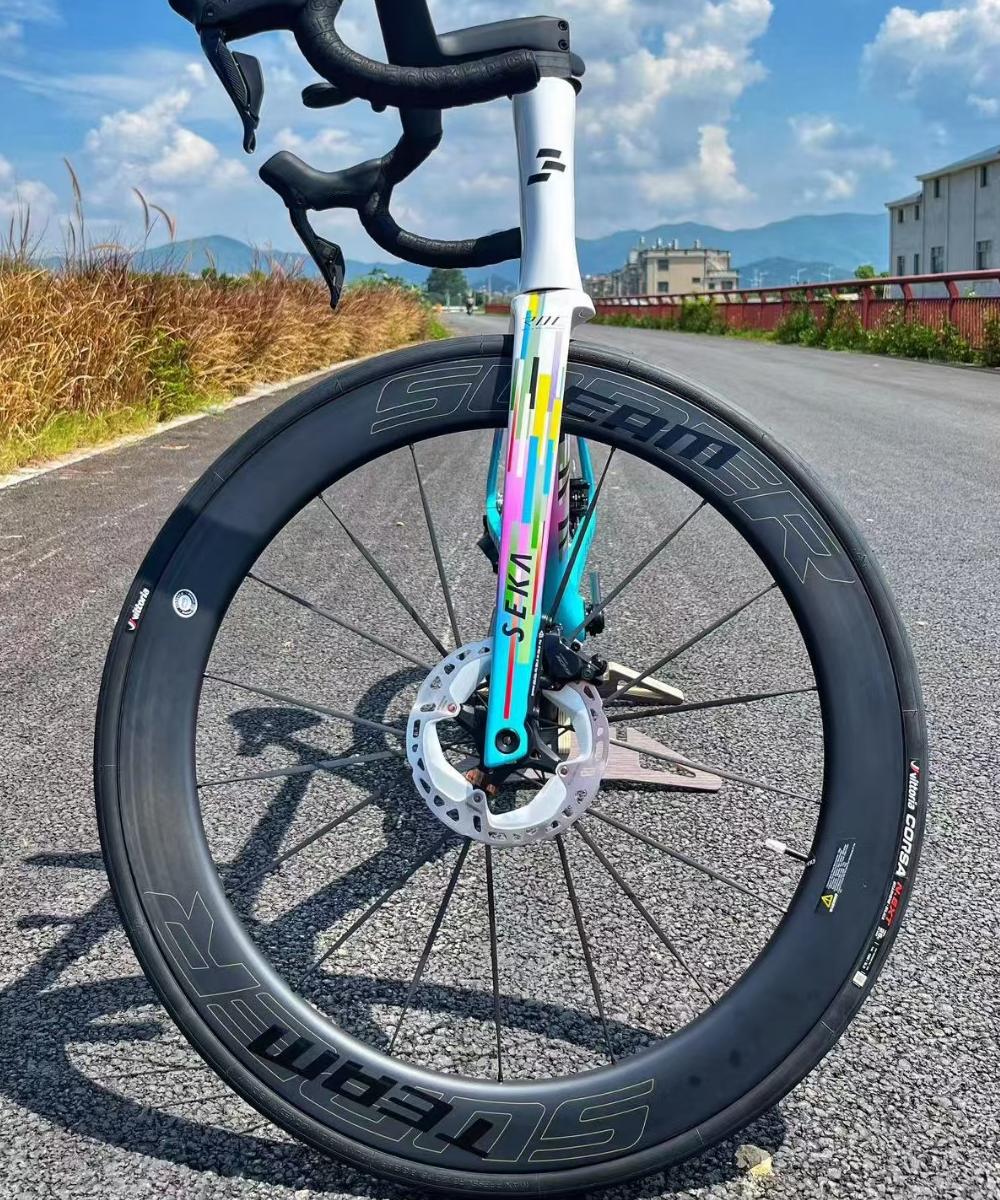
For rim brake wheels, check for discoloration, excessive wear, or uneven braking surfaces. A rough or glazed brake track can cause poor braking or vibration. For disc brake wheels, inspect rotor mounts for alignment and look for heat marks or warping. These signs can indicate the wheel was used in extreme conditions or overheated.
5. Ask About the Wheel’s History
Finally, don’t hesitate to ask questions:
Was the wheel ever in a crash?
How many kilometers or miles has it been ridden?
Has it been exposed to extreme weather or stored improperly?
A responsible seller should provide honest details, including service records or receipts. If the answers seem vague or inconsistent, walk away — it’s not worth the risk.
Final Thoughts
Used carbon wheels can deliver excellent performance and value, but only if they’re structurally sound. A small flaw can quickly turn into a dangerous failure on the road. Take your time inspecting, don’t be afraid to bring a mechanic’s opinion, and remember — a good deal should never come at the cost of safety.