

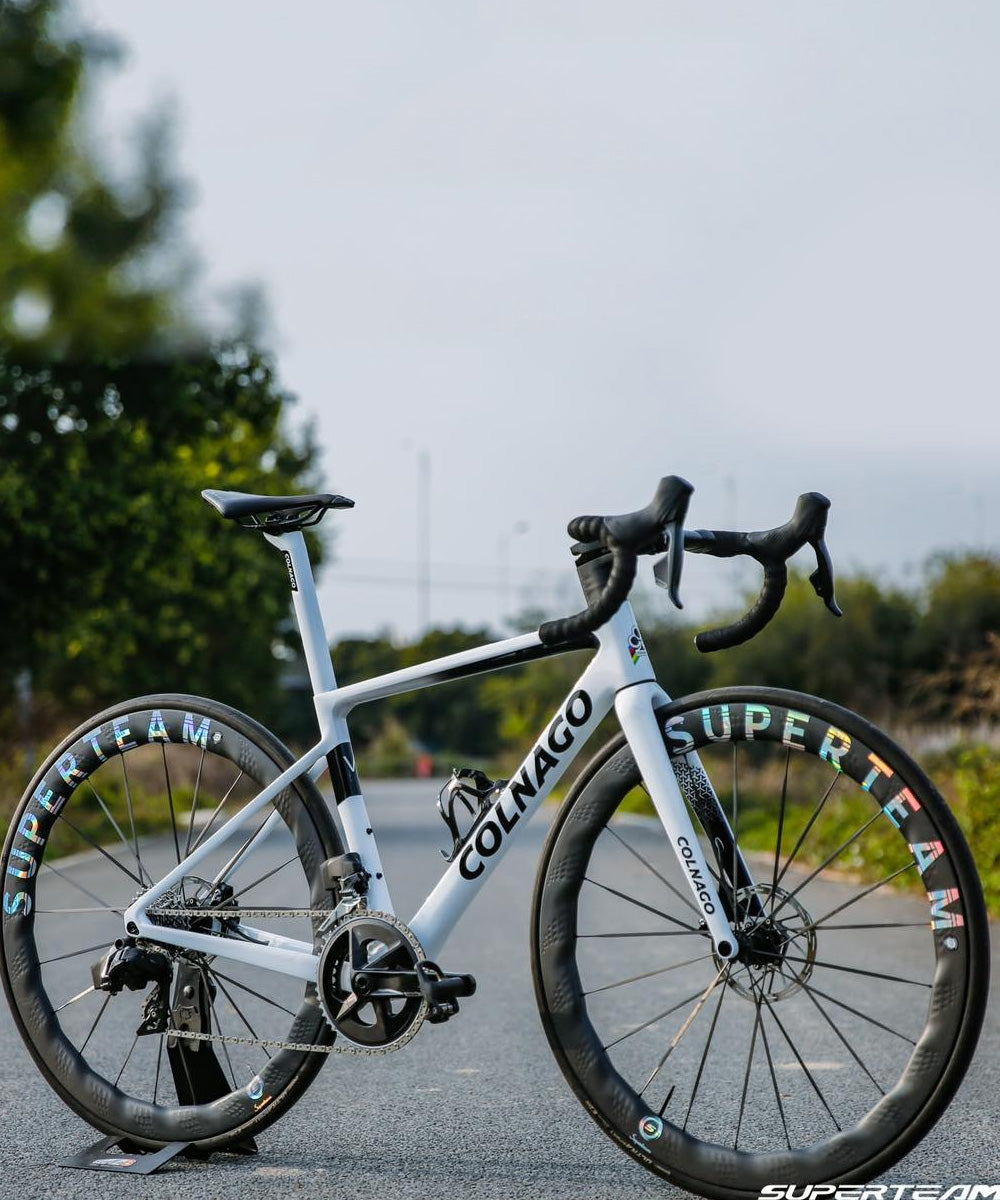


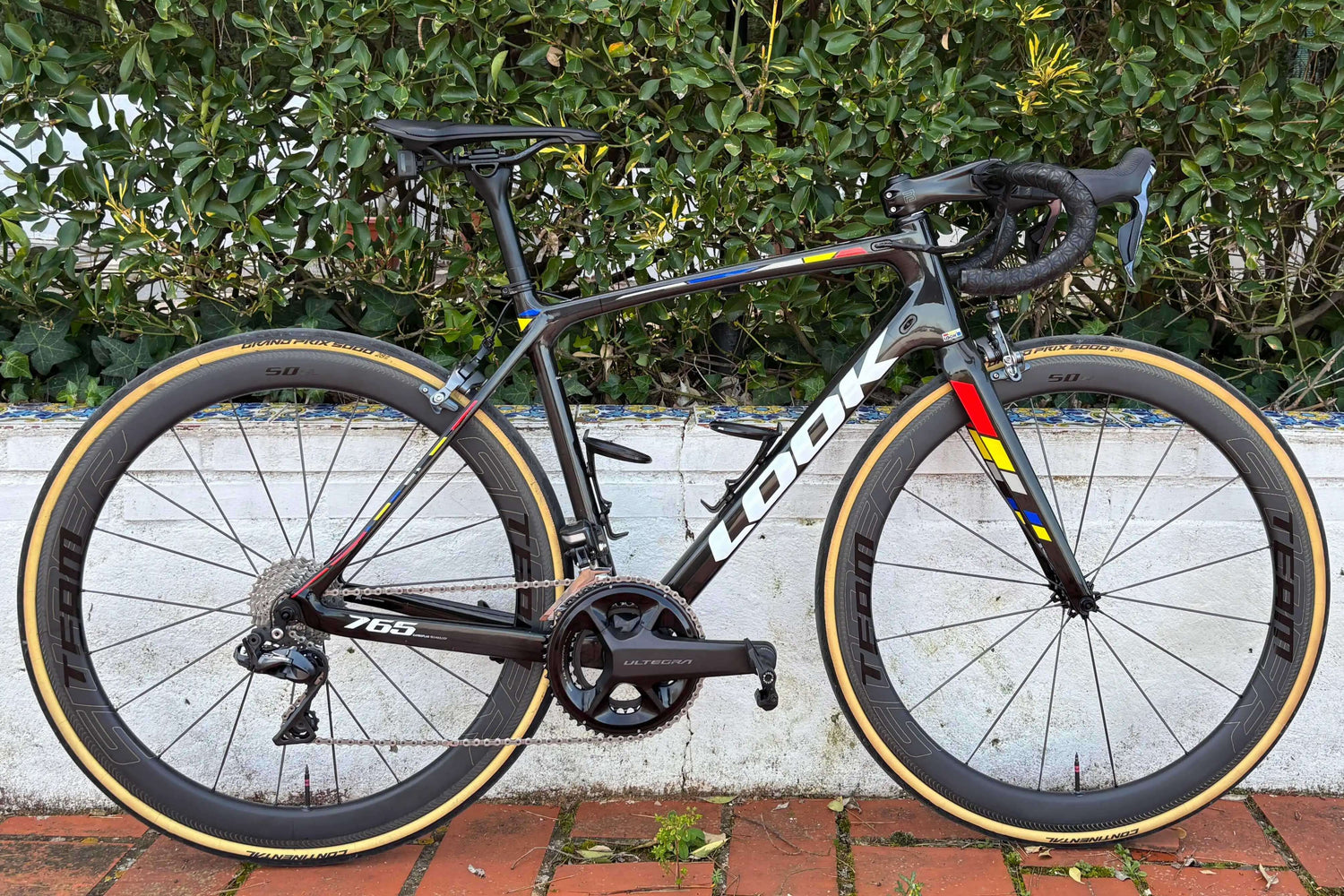
Disc brakes may dominate today’s headlines, but rim brake wheelsets are far from obsolete. In fact, for many riders, rim brake wheels continue to make practical sense and deliver unique advantages that modern cycling still values. Understanding why they remain relevant helps riders make smarter, more personal equipment choices.
One of the biggest reasons rim brake wheelsets still matter is weight. Rim brake systems are inherently lighter than disc brake setups. Without rotors, calipers, hydraulic lines, and reinforced fork and frame structures, bikes built around rim brakes often achieve significantly lower overall weight. For climbers, weight-focused riders, and anyone who values a lively road feel, this difference is immediately noticeable.

Simplicity is another key advantage. Rim brake wheelsets use straightforward mechanical systems that are easy to understand, adjust, and maintain. Cable-actuated brakes are simple to service, replacement parts are widely available, and roadside fixes are far less complicated than dealing with hydraulic systems. For riders who prefer self-maintenance or travel frequently with their bikes, this simplicity remains a strong selling point.
Aerodynamics also favor rim brake wheelsets in certain scenarios. Without disc rotors disrupting airflow near the hub, rim brake wheels can achieve very clean aerodynamic profiles. For time trials, triathlons, and high-speed road riding, especially in controlled conditions, rim brake wheelsets still offer excellent aerodynamic efficiency.

Cost is another practical reason rim brake wheelsets continue to matter. High-quality rim brake wheels are often more affordable than their disc brake equivalents. Riders can access lighter rims, better hubs, and higher-end carbon layups at a lower price point. This makes rim brake wheelsets especially appealing to enthusiasts who want performance without pushing budgets to extremes.
Ride feel is often overlooked but highly valued by experienced cyclists. Rim brake bikes tend to feel more responsive and direct, partly due to lower system weight and simpler braking forces acting through the frame. Many riders describe rim brake setups as smoother and more “connected” to the road, especially on traditional road geometry.
Compatibility also keeps rim brake wheelsets relevant. Countless high-quality road frames designed around rim brakes are still in use worldwide. For these bikes, upgrading to a modern rim brake wheelset is often the best way to refresh performance without replacing an entire frame or groupset.

Of course, rim brakes are not ideal for every condition. Wet weather braking performance and long alpine descents demand careful technique. But for riders who primarily ride in dry conditions, focus on climbing, racing, or classic road riding, these limitations are manageable and well understood.
Rim brake wheelsets still matter because cycling is not one-size-fits-all. They offer light weight, simplicity, aerodynamic efficiency, and excellent value—qualities that remain just as relevant today as ever. In a world full of new technology, rim brakes continue to prove that proven solutions still deserve their place on the road.

Leave a comment
All comments are moderated before being published.
This site is protected by hCaptcha and the hCaptcha Privacy Policy and Terms of Service apply.