



Whether you cycle for sport, leisure, or to get around, wearing a helmet is as important as having a great bike or the right cycling apparel—safety is the foundation of everything. A well-fitted cycling helmet offers a comfortable experience, with breathability and lightweight design being key priorities for riders. Thanks to ongoing advances in technology and manufacturing, today’s helmets are not only stylish and attractive but also packed with functional features.

"If it isn't broken, don't replace it"—this is a common, yet incorrect, approach many cyclists take when deciding whether to replace their helmets. While personal protective gear doesn't need to be updated as frequently as other bike components or consumables, it still has a limited lifespan. Given that a helmet is a critical piece of safety equipment—one that could literally save your life—it is not something to be taken lightly.
When should you get a new helmet?

Generally, when you purchase a helmet, the manual will include a recommended replacement interval. Most manufacturers suggest replacing your cycling helmet every 3–5 years. But is there a scientific basis for this, or is it just a ploy to drive more sales?
As it turns out, the foam material inside a helmet is actually quite durable. Studies testing helmets that were 26 years old found that the protective EPS (expanded polystyrene) foam did not show significant signs of aging over time.
However, certain factors can cause damage, including: UV exposure that dries out and cracks the adhesives holding the helmet together; leaving the helmet in a hot car; exposing the outer shell to insect repellents or sunscreens; and the effects of humidity and sweat.
If you live in a humid climate, you should be even more diligent about maintaining and replacing your helmet, as moisture can gradually weaken its performance in ways that aren't always immediately apparent.

There is, however, one non-negotiable rule: if you are involved in a crash or if your helmet has been subjected to a severe impact, you should replace it immediately for your own safety. Damage to a helmet is not always visible to the naked eye. The internal protective core—typically made of expanded polystyrene (EPS)—can also sustain damage during an impact, compromising its ability to provide protection. In such cases, you should stop using the helmet immediately. It is advisable to cut the chin strap before discarding it, which prevents others from potentially using a compromised helmet and risking injury.

Proper maintenance and cleaning are also essential.
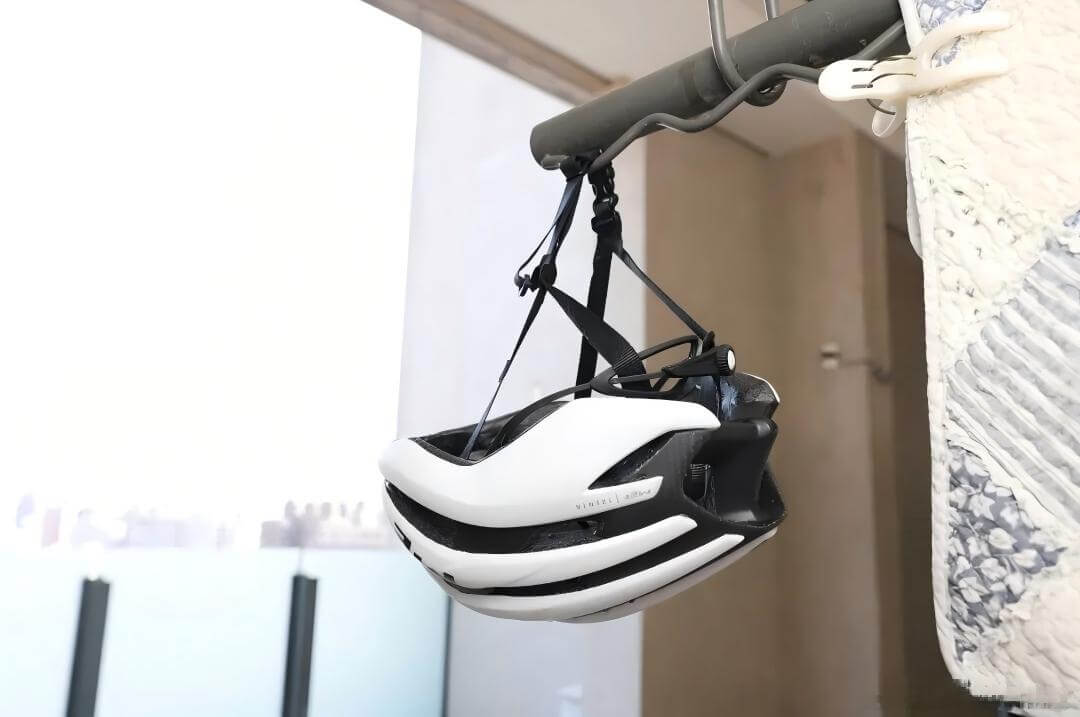
Regular maintenance and cleaning help minimize the impact of external grime on the helmet shell. Since a helmet comes into direct contact with your skin and covers your scalp, keeping it clean is a matter of course. It is recommended to clean your helmet once a week, or immediately after a long-distance ride. When choosing a cleaning agent, avoid harsh solvents; instead, opt for a pH-neutral detergent—check the product label to confirm its pH level—to ensure the structural integrity of the helmet materials remains intact. Some cyclists even use a pH-neutral shampoo, which makes sense given that the helmet is in direct contact with the head and hair.



Leave a comment
All comments are moderated before being published.
This site is protected by hCaptcha and the hCaptcha Privacy Policy and Terms of Service apply.